
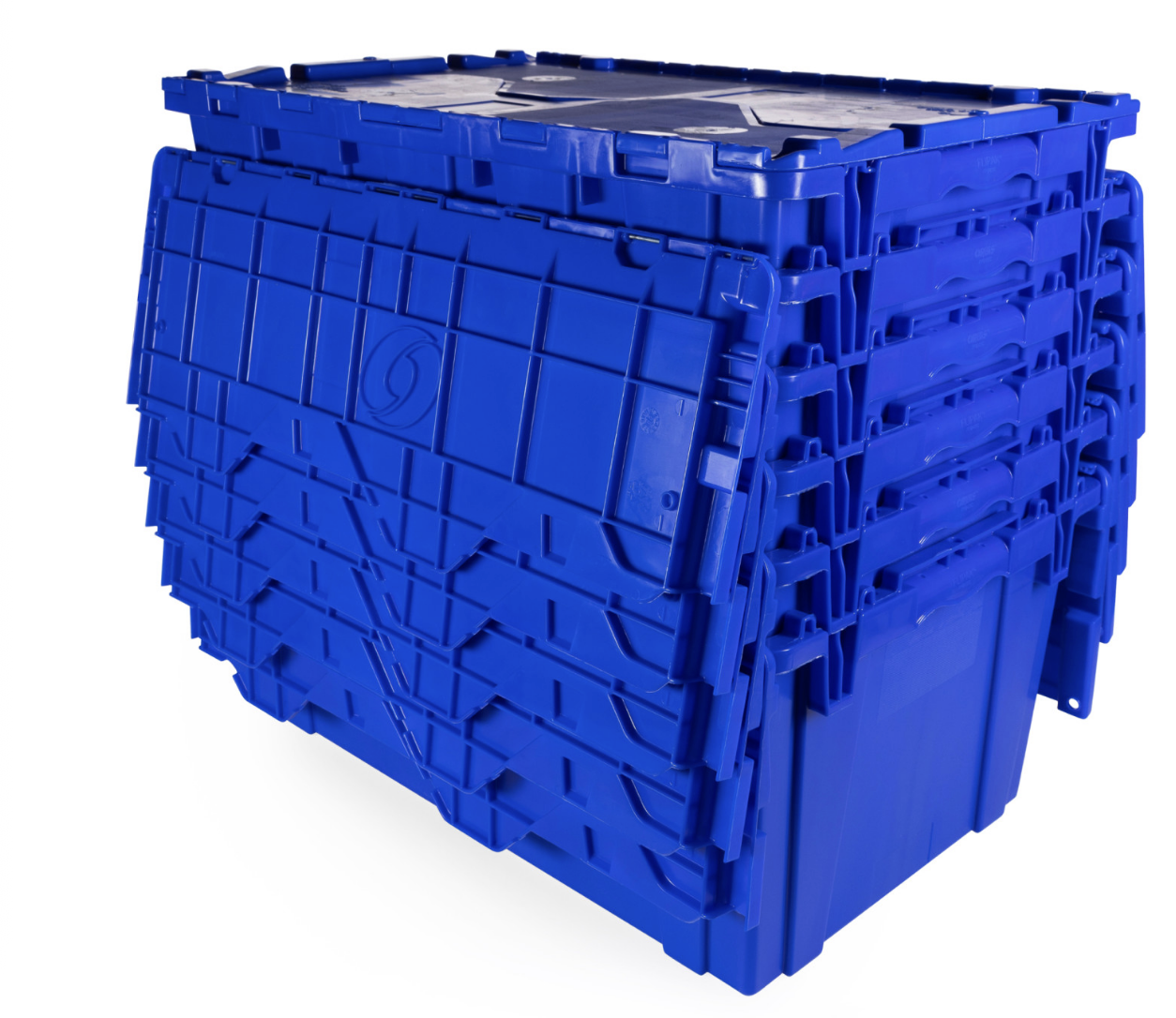
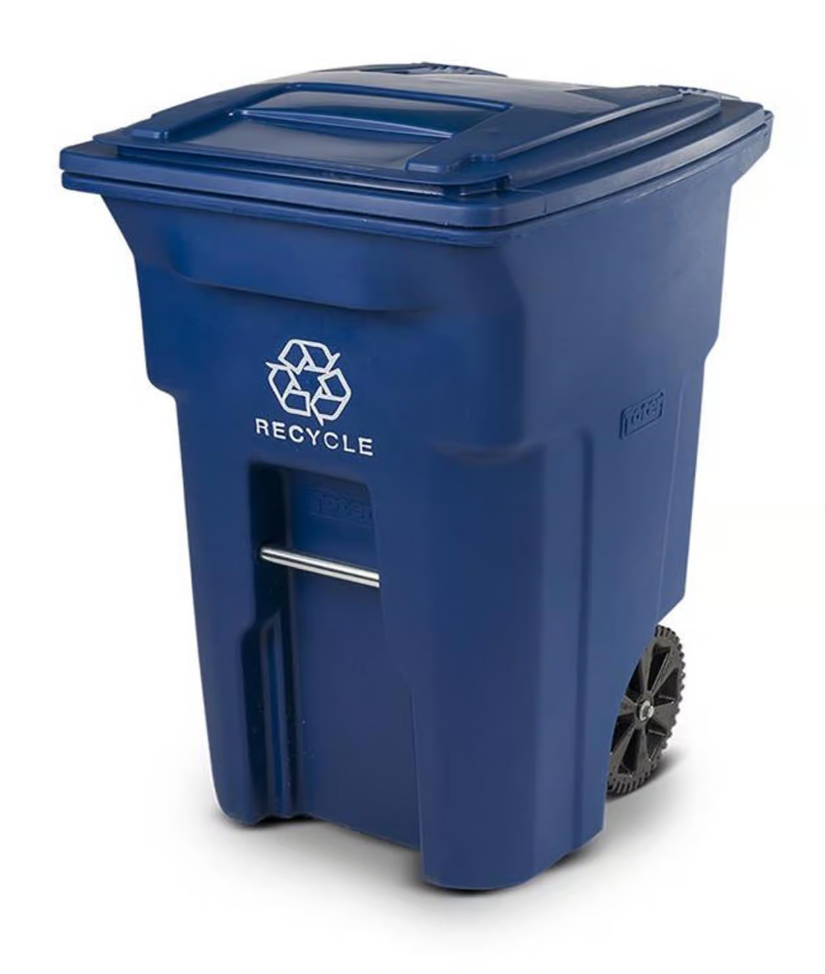
Perfect for residential curbside pickup.
Holds approx 45 wine bottles approx 55 12oz glass bottles $15/month or $144/year
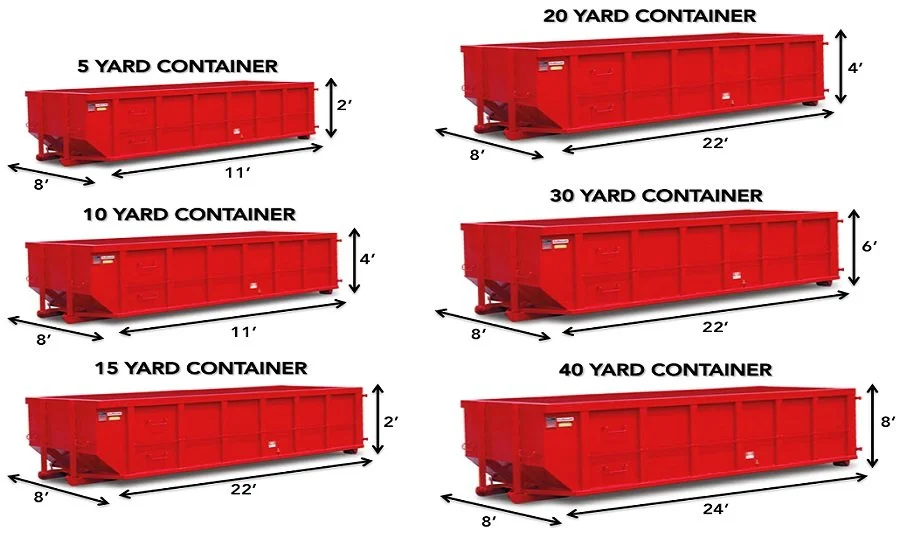
Perfect for restaurant, bar, or event venue weekly pick up.
Holds approx 250 wine glass bottles or approx 1000 12oz glass bottles $75/month or $715/year
Bayou Boxes
Glass Recycling Dos
Acceptable Glass: beverage bottles (beer, wine, soda), food jars (pasta, pickles, baby food), heat-resistant (pyrex, glass cookware).
Empty Completely: Make sure all liquids and food waste are removed before tossing them into the bin.
Give it a Quick Rinse: A simple rinse prevents sticky messes and deters insects at the sorting facility.
Leave Labels and Lids OFF: Paper labels burn off during processing. REMOVE all lids, corks, caps, and tops glass waste.
Keep Glass Loose: Do not bag your glass. Place loose glass directly into your recycling bin or designated drop-off container.
Glass Recycling Don'ts
No Non-Container Glass: Never mix light bulbs, window glass, bulletproof glass, or mirrors the glass bin. These have different chemical compositions and Mohs hardness units.
No Light Bulbs or Electronics: Incandescent bulbs, fluorescent tubes, and TV screens contain hazardous materials and completely different types of glass.
Don't Break Your Glass: Do not intentionally break bottles to fit more in the bin. Shards of glass are highly dangerous to facility workers and make optical sorting and color-separation nearly impossible.